Curb Chains

Precise Pressure, Properly Placed

A curb chain does its job quietly, resting under the chin and only coming into play when a shanked bit rotates. Dead Broke Saddlery carries horse curb chains selected for riders who want that added point of contact to be consistent and comfortable, not something that pinches or catches at the wrong moment.

Built for Different Bits and Riding Styles

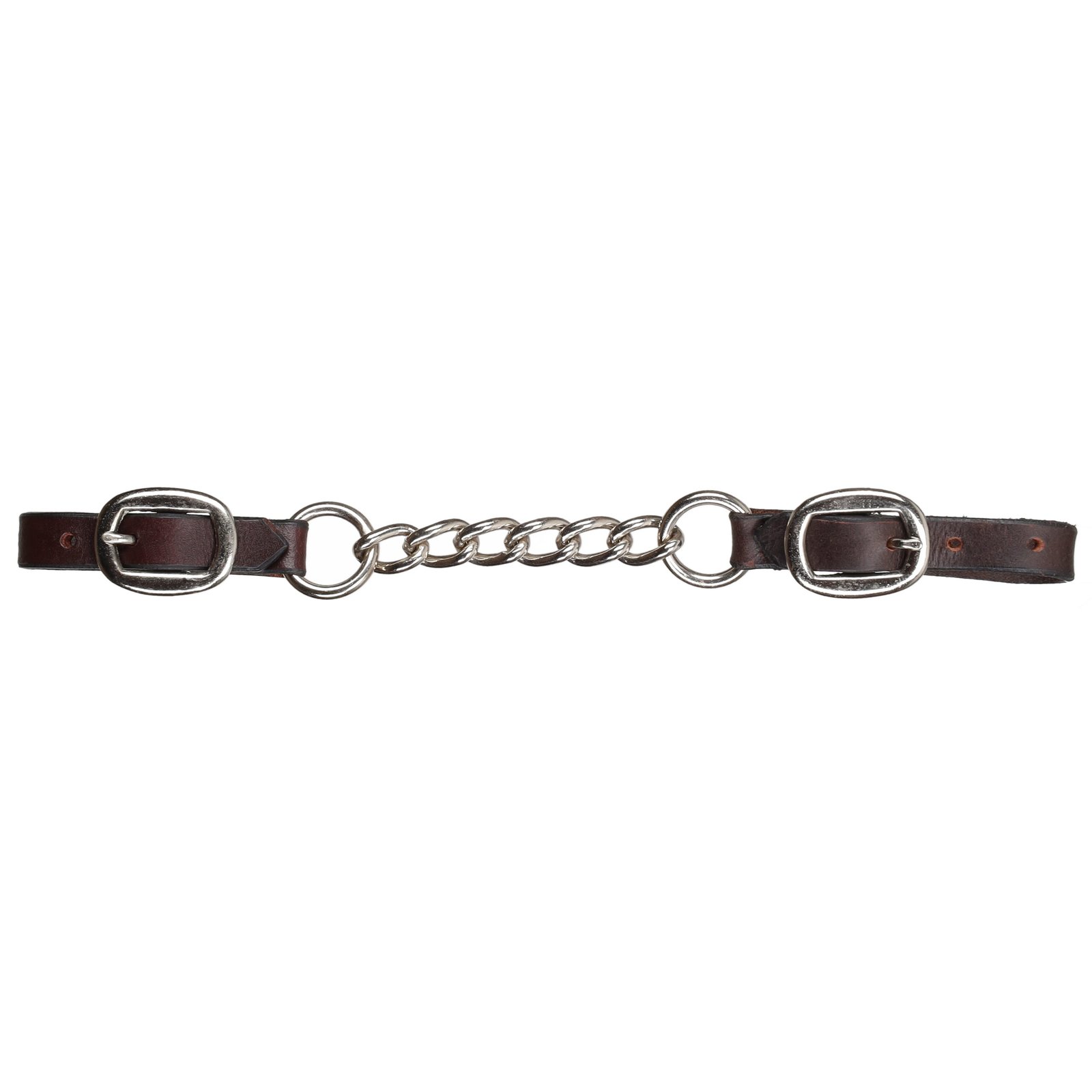
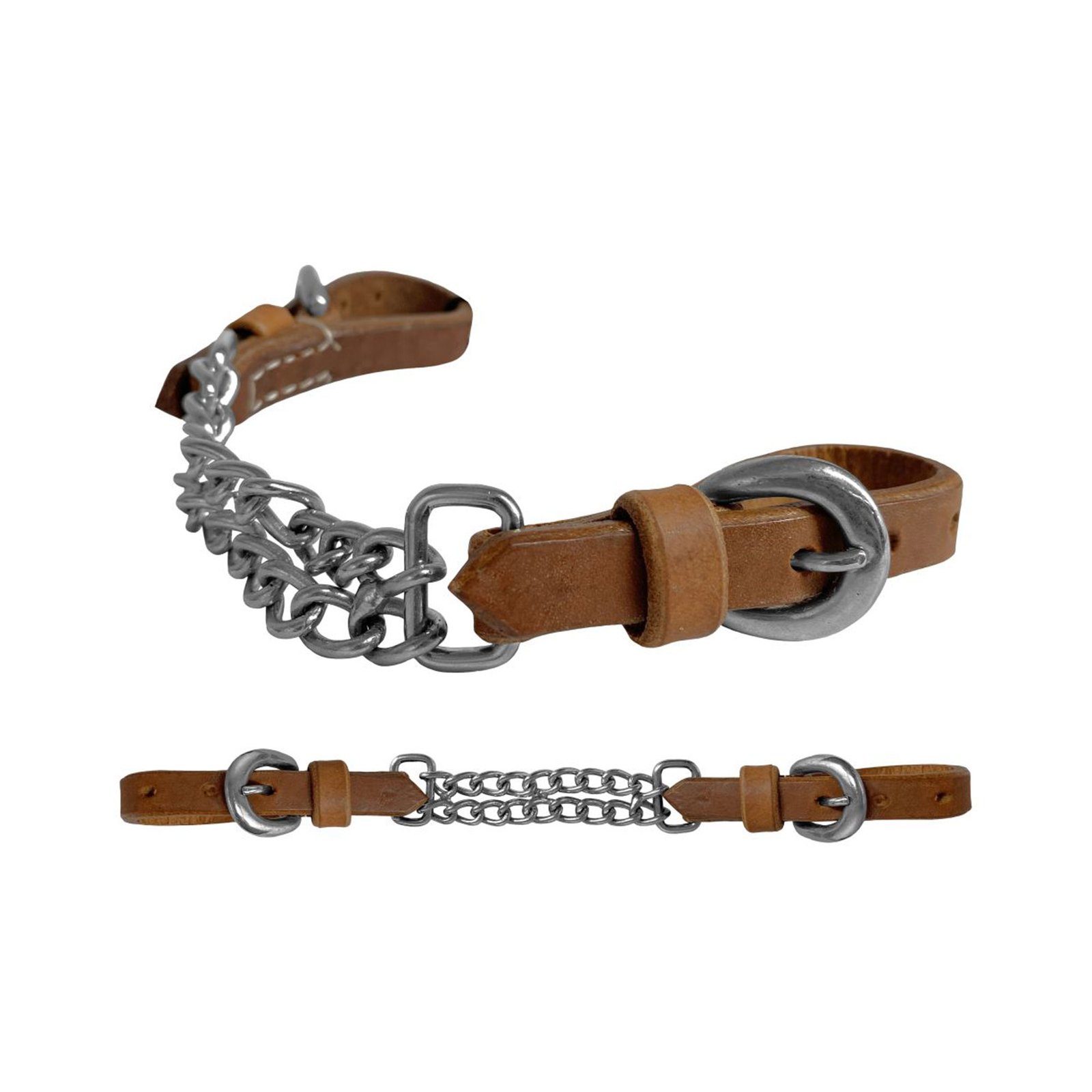
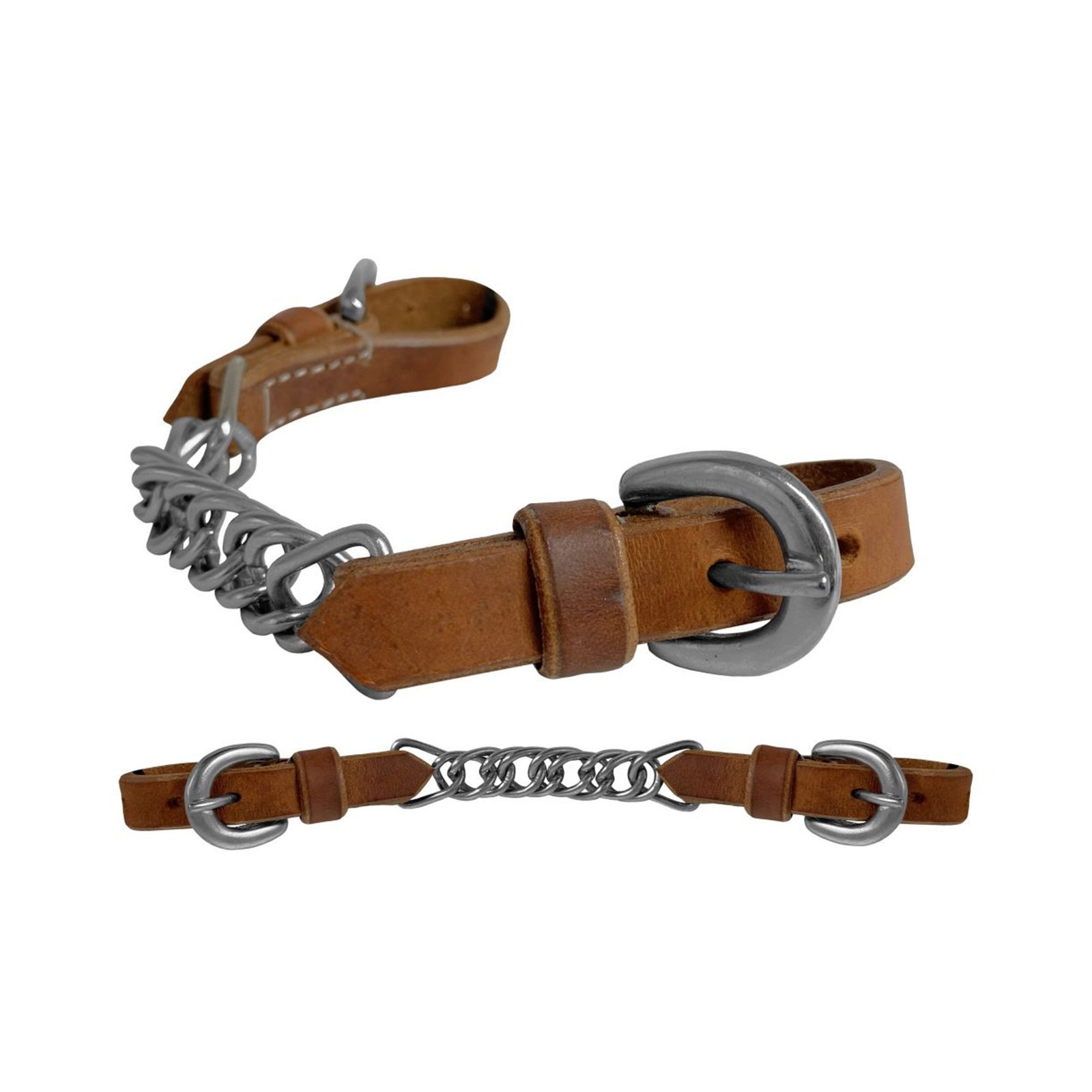
Our curb chain for horses selection includes flat-link and twisted styles, since chain design changes how pressure is distributed under the jaw. A flatter chain spreads contact more evenly, while a twisted link concentrates it, giving you a way to match the chain to your bit setup and how responsive your horse already is to rein pressure.

Dead Broke Saddlery also stocks curb chains for horses with different hook and link configurations, making it easier to get a secure, properly seated fit regardless of the bit you’re pairing it with. Getting that fit right matters most in disciplines where a shanked bit is standard and precise cues are part of daily work.

Find the Right Chain for Your Setup

Browse our horse curb chain for sale and choose a link style and fit suited to your bit and your horse’s level of training, from everyday riding to more advanced work. Every chain in our selection is built from solid materials meant to hold up under regular use.


Frequently Asked Questions (FAQs)

1. What does a curb chain do for horses?
A curb chain adds a second point of pressure under the jaw, engaging when a shanked bit rotates and giving the rider a more defined signal through the reins.
2. How do I know if my horse curb chain is fitted correctly?
A correctly fitted curb chain should lie flat against the chin groove with enough slack to allow roughly two fingers between the chain and the jaw before it engages.
3. Can a curb chain be used with any type of bit?
No. Curb chains are designed for shanked bits that work on leverage, since the chain is what allows the shank to apply poll and chin pressure as it rotates.
4. How tight should a curb chain be?
It should have enough slack to sit flat and inactive until the shank rotates back roughly 30 to 45 degrees, tight enough to engage predictably but loose enough not to put constant pressure on the jaw.
A curb chain adds a second point of pressure under the jaw, engaging when a shanked bit rotates and giving the rider a more defined signal through the reins.
A correctly fitted curb chain should lie flat against the chin groove with enough slack to allow roughly two fingers between the chain and the jaw before it engages.
No. Curb chains are designed for shanked bits that work on leverage, since the chain is what allows the shank to apply poll and chin pressure as it rotates.
It should have enough slack to sit flat and inactive until the shank rotates back roughly 30 to 45 degrees, tight enough to engage predictably but loose enough not to put constant pressure on the jaw.

Testimonial

Menu